
Ghostbusters story
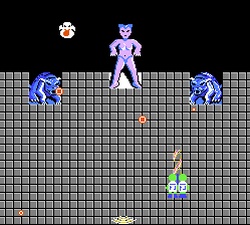
The Ghostbusters story on NES began long before our living rooms hummed with 8-bit boxes. In 1984, theaters erupted for Ghostbusters, and cramming all that paranormal chaos into a cartridge felt bold and wickedly tempting. Activision rode the wave right after the movie, crafting not just a “based-on” game but a scrappy ghostbusting business: your own bank balance, your own Ecto-1, a gear shop for traps, bait, and that hood-mounted ghost vacuum for drifting spirit clouds, then off across a Manhattan map to snag spooks from the beyond. The console port brought over the original’s spirit—plus its own attitude. The theme kicks in, a crunchy digitized voice yells “Ghostbusters!”, and in a heartbeat your inner kid answers: I’m here, I’m ready.
From film to cartridge
Game design was sprinting ahead of the hardware: how do you sell ghostbusting on an 8-bit machine when you want both thrill and tactics? The fix was clever and ahead of its time—don’t shove players down hallways; give them a city, a map, and freedom. Manhattan’s streets, house calls, fickle ectoplasmic clouds—you choose where to gun the Ecto-1, where to save money, and where not to skimp. As tension in the city rose and P.K.E. levels spiked, he arrived—the towering Stay Puft Marshmallow Man, winking at movie fans. In Ghostbusters it wasn’t just a cameo: a red alert saying toss the bait now, or that sugary behemoth will pancake an office and flatten your account.
The NES release—the one so many of us simply called Ghostbusters on a gray cart—was the first meeting with the franchise for a lot of players. Not posters, not VHS, but a cartridge with a wobbly logo, sometimes misprinted on the label, and a title screen blasting that unstoppable theme. To its faithful it wasn’t a bare-bones license; it was an entry ticket to a world where proton streams snap to the beat and setting a trap under a spook feels like ritual. You don’t remember the ship date or the credits—you remember you and a buddy crossing the beams and green slime popping across the pixels.
How it reached us
Ghostbusters came to us the same way so many ’90s legends did: via flea markets, corner kiosks, and multicarts like “4 in 1” and “1000000 in 1.” One box might say “Ghost Buster,” another “Ghostbusters,” and on the playground it morphed into a simple call: “pop in Ghostbusters.” That was life: school by day, ghost hunts by night. Some had a tidy, stickered cart; others, a scuffed shell with the art long gone—but everyone knew the game from the first notes. And every block had a sage who swore they could clear that infamous skyscraper staircase to Zuul without losses: “tap in rhythm, don’t rush.” That staircase is a whole page of playground mythology—right up there with Turtles and Contra—an exam in finger stamina, stubbornness, and patience.
Ghostbusting spread fast because its hook was simple and immediate. Plenty of kids loved the game before they ever saw the film—for the rush of city callouts, for the magic of bolting a ghost vacuum to the hood and hoovering tail-wagging pests on the fly, for the gear shop where each upgrade suddenly made you a bit braver. And for the gamble: hurry and you bleed cash; hesitate and a citywide wave hits—Stay Puft looming just past the skyline.
Why it sticks
Ghostbusters is one of those carts that smell like warm power bricks and backyard adventure. It wasn’t loved for polish, but for personality—for that title-theme tingle, for a rare early blend of strategy and arcade, for letting you feel part of the Ghostbusters crew even if the kid next door called it “Ghost Catchers” or just “Ghosts.” That warmth beats any trivia. We remember the first Ecto-1, the proton stream, the trap snapping shut under a specter, and a city that keeps breathing on the map while you tinker in the shop. It rode the years and settled into collections alongside the most “homey” carts—the kind you boot for a couple runs across Manhattan, just to hear it shout again: “Ghostbusters!”